


People are often surprised by what property styling actually involves.
They expect the creative part — choosing furniture, styling rooms, making spaces look beautiful. What they don't always expect is the physical reality of installation days, the logistics of managing a furniture inventory, or the amount of time spent on quoting, invoicing, and chasing returns. I've been training property stylists for over a decade. More than 750 students have come through the Institute of Home Staging. And one of the most useful things I can do for anyone considering this career is give them an honest picture of what the work actually looks like — not just the beautiful end result, but the full day. Here's what a working day in property styling really involves.
The Early Start: Morning Consultations and Planning
Most property stylists start early. By 7am, you might be at a property for an initial consultation — walking through every room with the agent or vendor, assessing the space, and working out what needs to happen before it goes to market. This is where the strategic thinking happens. You're not just looking at what looks nice. You're thinking about the buyer demographic — who is likely to buy this property, what lifestyle are they aspiring to, what will make them feel at home the moment they walk through the door. You're identifying the property's strengths and working out how to draw attention to them. You're noting the weaknesses and thinking about how to minimise them. Back at your desk (or a café, if you're lucky), you translate that into a plan. Design theme, sourcing list, layout sketches, mood board. By 9am, you're writing quotes and packing lists.
No two properties are the same. That's exactly what keeps the work interesting.
Sourcing: The Treasure Hunt
With the plan locked in, it's time to source — and this is the part of the job that keeps many stylists genuinely hooked. You head to your warehouse or inventory hub, where furniture and accessories are waiting. You select pieces tailored to the property: a sofa that suits the scale of the living room, cushions in buyer-pleasing neutrals, lamps that will warm up a corner that photographs cold. It's hands-on — matching scales to room sizes, checking for wear, ironing linens, packing everything by room for the installation team. This step is storytelling as much as logistics. A vase of fresh eucalyptus nods to Australian living. Layered textiles evoke the lifestyle the buyer is aspiring to. Experienced stylists know their buyer profiles inside out — first-home buyers want affordable chic, downsizers want low-maintenance elegance. By midday, the van is loaded.
Installation Day: Where the Magic Happens
Installation day is the physical, adrenaline-pumping core of the job.
You're on site early — toolkit packed (drill, extension cords, irons, cleaning supplies) — and the work begins. Furniture gets positioned per your layout plan. Artwork goes up. Beds get crisp linen. Cushions are placed, rugs are laid to zone the spaces, accessories are arranged with intention. This is physical work. Expect lifting, climbing, cleaning, and long hours on your feet. Installation days are demanding — and they often happen under time pressure, because the photographer is booked and the listing goes live tomorrow. But the buzz of watching a space transform — from empty or cluttered to genuinely beautiful — is what makes it addictive. By the end of the day, the property is market-ready. Buyers won't see the grind. They'll just feel the welcome.
Photography Prep: The Final Polish
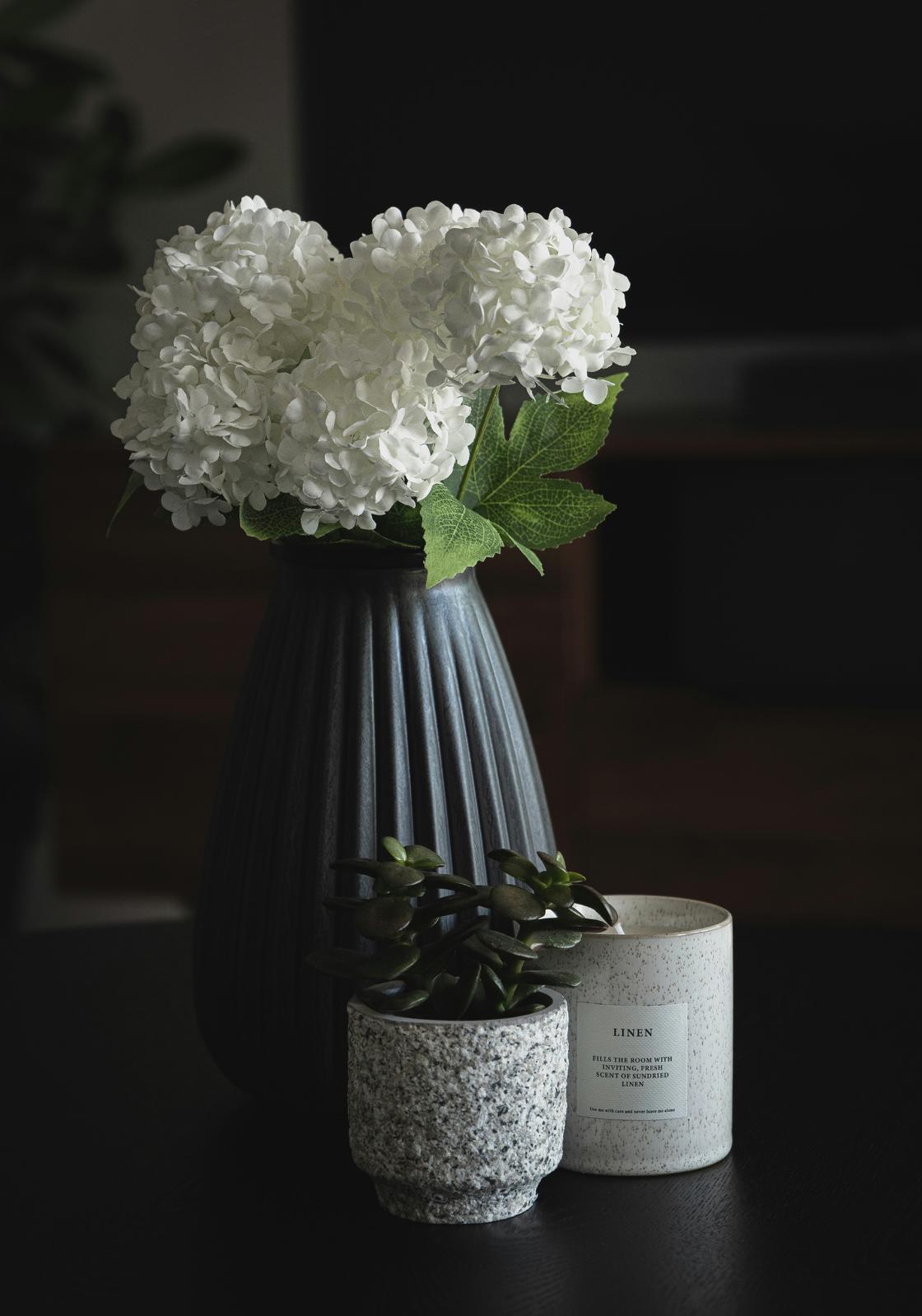
No Australian property sale happens without great photos, and photography prep is non-negotiable. Post-install, you finesse every detail: dust removed, fingerprints wiped, cushions plumped. You liaise with the photographer — best light at 3pm, open those sheer curtains — and stage the vignettes that will pop on screen: a coffee table book stack, a throw artfully draped, a single stem in a vase on the kitchen bench. This is the payoff moment. Watching the home transform from drab to dreamy. Agents love it. Vendors exhale. Your styling just boosted the property's appeal — and potentially its sale price.
Behind the Scenes: Admin, Quoting, and the Real Grind.
Don't let the creative side fool you — admin fills the gaps.
Evenings mean invoicing, stock checks, and chasing furniture returns. You quote new jobs, respond to agent enquiries, and confirm supplier deliveries. It's multi-tasking in a fast-paced environment where two-week turnarounds are standard and deadlines are real. The job demands resourcefulness — a driver's licence, physical stamina, and the ability to stay calm when a delivery is late or a piece of furniture doesn't fit through the door. But the variety is part of the appeal: one day a luxury penthouse, the next a family home in the suburbs.
Why People who Do This Work Love It
What makes property styling genuinely different from most creative careers is the combination of physical work, creative problem-solving, and people skills — all in the same day. One week you're doing coastal chic on the Gold Coast. The next, urban edge in Adelaide. It's dynamic, team-focused, and constantly changing. The logistics, the creativity, and the client relationships are all intertwined. It's not a desk job. It's not a passive job. And it's not just about having good taste. The people who thrive in this career are the ones who love the full picture — the strategy, the physical work, the client relationships, and yes, the beautiful end result.
A Note on Training
If this sounds like the kind of work you want to do, the next step is learning it properly — not just the creative side, but the professional skills that make a real career out of it.
The Institute of Home Staging is Australia's first and longest-running property styling training institute. Our course covers the full scope of the work: buyer psychology, spatial reasoning, furniture selection and placement, the briefing process, and the business of running a styling practice. Self-paced, online, with four full-day immersion sessions per year included.
Learn more at instituteofhomestaging.com.au
FREQUENTLY ASKED QUESTIONS
Q: What does a property stylist do on a typical day?
A: A typical day might include a morning consultation at a property, sourcing furniture and accessories from a warehouse, an installation day (moving and arranging furniture in a property ahead of photography), photography preparation, and admin — quoting, invoicing, managing agent relationships. No two days are identical, which is part of the appeal.
Q: Is property styling physically demanding?
A: Yes. Installation days involve lifting, unpacking, cleaning, ironing, and working on your feet for long hours — often under time pressure. A driver's licence and reasonable physical fitness are practical requirements of the job. This surprises some people who come to property styling expecting a purely creative role.
Q: How does a property stylist choose furniture and accessories?
A: By researching the buyer demographic for the property and selecting pieces that will appeal to that specific buyer — not pieces that reflect the current owner's taste. A stylist thinks about scale, colour, lifestyle cues, and how the space will photograph. Most stylists work from a hire inventory they've built over time.
Q: What preparation do vendors need before a property stylist arrives?
A: Thorough decluttering before the initial consultation makes a significant difference — it helps the stylist assess the space accurately and quote effectively. The cleaner and emptier the space, the better the result. Personal items, excess furniture, and anything on benchtops and shelves should be removed or packed away.
Q: How long does property styling take from consultation to photography?
A: In Australia's market, the typical turnaround is two to two-and-a-half weeks from initial consultation to photoshoot-ready property. This includes the consultation, planning, sourcing, installation, and photography prep.
Q: Do property stylists work weekends?
A: Often, yes. Installation days and open homes don't always fall on weekdays, and agents frequently need properties ready for weekend inspections. Most property stylists — particularly those running their own businesses — work flexible hours that include some weekend work, especially early in their careers.
Q: What's the difference between a property stylist and an interior designer?
A: Property styling is specifically focused on preparing a property for sale — the goal is to appeal to the widest possible pool of buyers. Interior design is focused on creating a space for the people who live or work in it. The disciplines overlap significantly, but they have different objectives, different timelines, and different skill sets.
Q: How do you become a property stylist in Australia?
A: The most direct path is completing a property styling-specific training course — not a generic interior design qualification. The Institute of Home Staging (IIHS) is Australia's first and longest-running property styling training institute, offering a self-paced online course with four full-day immersion sessions per year. From there, most stylists build their portfolio by assisting established stylists or taking on smaller projects before launching their own practice.
Ready to Start Your Property Styling Career?
If property styling sounds like the right path for you, the IIHS Property Styling Certification is the place to start.
It's Australia's first and oldest property styling training program — built by someone who has run a large staging business, trained over 750 graduates, and spent more than a decade in this industry. You'll learn everything you need to work professionally as a property stylist — from staging theory and buyer psychology to running your own business — in a self-paced online format that fits around your life.
Explore the IIHS Property Styling Certification: https://style.naomifindlay.com/art-of-property-styling

Comments