

There's a myth that property staging is only for high-end homes — that you need a big budget, expensive furniture, and years of insider knowledge to make it work.
That myth is costing sellers money.
The truth is, staging works at every price point. And the skills to do it well — to walk into any property and know exactly what to do — are learnable. That's the whole premise behind the International Institute of Home Staging.
"Home staging is a learnable skill — not a secret kept by real estate insiders."
That's the belief IIHS was built on. And it's the belief that has taken over 750 students from curious beginners to confident practitioners.
WHY STAGING WORKS (AT ANY PRICE POINT)
Buyers make emotional decisions. They walk into a property and within seconds they're either imagining their life there — or they're not. Staging is the art of creating that emotional connection. It's about helping buyers see the potential of a space, not just the reality of it. Here's the thing: that emotional response doesn't care about price tags. A well-staged $400,000 property creates the same feeling as a well-staged $2 million one. The principles are identical. What changes is the execution — the specific choices you make with what you have.
THE BUDGET STAGING TOOLKIT
You don't need to hire a full staging company to make a difference. Here's what actually moves the needle:
- DECLUTTER FIRST, ALWAYS
Nothing undermines a property faster than clutter. It makes spaces feel smaller, darker, and harder to imagine living in. Before you spend a single dollar, remove everything that doesn't need to be there. This is free — and it's the single highest-ROI thing you can do.
- CLEAN LIKE IT'S NEVER BEEN CLEANED
Professional cleaning costs a few hundred dollars and returns multiples. Buyers notice. Dirty grout, dusty blinds, and smudged windows signal neglect — and buyers price that in.
- NEUTRALISE THE PALETTE
You don't need to repaint the whole house. Focus on the rooms that matter most: the main living area, the master bedroom, the kitchen if it's tired. A fresh coat of neutral paint is one of the cheapest, highest-impact changes you can make.
- BORROW, HIRE, OR EDIT — DON'T BUY
Budget staging isn't about buying new furniture. It's about editing what's there, borrowing pieces from other rooms, and hiring key items (a statement rug, fresh linen, a few cushions) where needed. Furniture hire companies exist specifically for this — and the cost is a fraction of what buyers perceive as value.
- LIGHT IS EVERYTHING
Open every blind. Replace every blown globe. Add a lamp to a dark corner. Light makes spaces feel bigger, warmer, and more inviting — and it costs almost nothing.
- KERB APPEAL IS NON-NEGOTIABLE
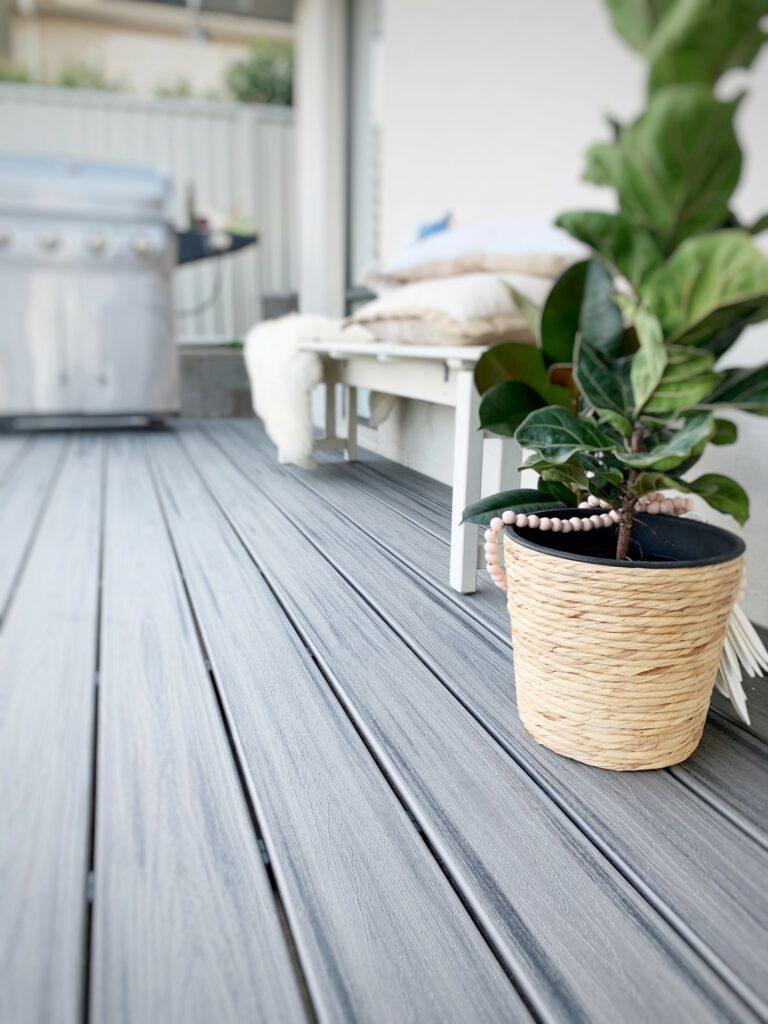
The first photo buyers see is usually the front of the property. Mow the lawn, sweep the path, add a pot plant or two. First impressions are formed before they even walk through the door.
THE KNOWLEDGE GAP IS THE REAL PROBLEM
Here's what most people don't realise: the difference between a property that sits on the market for 90 days and one that sells in the first weekend often isn't the property itself. It's the presentation, and the people who know how to get that presentation right — who can walk into any property, at any price point, and know exactly what to do — are the ones who create real value for sellers. That knowledge isn't a secret. It's not something reserved for people who've spent decades in real estate. It's teachable. And once you have it, you have it for life.
WHAT YOU CAN DO WITH THIS KNOWLEDGE
This is where most staging education stops — and where IIHS is different. Some students use it to stage their own home and sell for more. Some go on to work as consultants, helping sellers prepare without full staging. Some build their own property styling businesses. Some approach agencies as an in-house stylist. There's no single right answer. The learning is valid on its own terms and what you do with it is entirely up to you.
THE BOTTOM LINE
Budget staging isn't a compromise. Done well, it's a strategy. The sellers who get the best results aren't always the ones with the biggest staging budgets. They're the ones who understand what buyers respond to — and who make smart, intentional decisions with what they have. That's a learnable skill and it starts with deciding to learn it.
CALL TO ACTION
Want to learn how to stage any property at any budget and create real results for sellers?
The IIHS online course gives you the full framework: from reading a space to making strategic decisions that move sale price. Self-paced, online, with four live immersion days per year. Australia's first and longest-running property styling training institute.
FREQUENTLY ASKED QUESTIONS
Q: How much does it cost to stage a property in Australia?
A: Styling packages typically range from $2,500 to $5,000 for a standard residential property, depending on size, number of rooms, and whether the property is vacant or occupied. Vacant properties cost more because more furniture and accessories need to be sourced and placed. In higher-value markets like Sydney and Melbourne, this cost is a small fraction of the potential price uplift.
Q: Can I stage a property myself, or do I need a professional?
A: You can absolutely do a lot yourself — particularly decluttering, cleaning, neutralising personal items, and making small repairs. These steps alone can significantly improve a property's presentation. Where professional stylists add the most value is in spatial reasoning, furniture placement, and creating the emotional atmosphere that drives buyer connection. If budget is tight, a consultation with a stylist (rather than full staging) can give you a professional eye at a lower cost.
Q: What's the most important room to style when selling?
A: The living room and master bedroom consistently have the highest impact on buyer perception. The living room sets the lifestyle tone of the property; the master bedroom drives emotional connection. If budget is limited, prioritise these two rooms over secondary bedrooms or utility spaces. The kitchen matters too — but it's harder to transform with styling alone if the fixtures are dated.
Q: Does staging work for rental properties and Airbnbs, not just sales?
A: Yes. The same principles that make a property photograph well and feel welcoming for buyers apply to short-term rental platforms like Airbnb and Stayz. Well-styled properties attract more bookings, command higher nightly rates, and receive better reviews. The investment in styling a short-term rental typically pays back quickly through improved occupancy.
Q: How long does a styling package last?
A: Most styling packages are structured around the campaign period — typically 4 to 6 weeks for a standard auction campaign. The stylist installs furniture and accessories before the first open home and removes them after the property sells or the campaign ends. Some stylists offer extended hire periods for properties that take longer to sell.
Q: Is property styling worth it in a strong seller's market?
A: Even in strong markets, styled properties tend to sell faster — which has its own value in reduced holding costs. The marginal price premium may be lower when demand dramatically outstrips supply, but the days-on-market benefit remains real. And in any market, presentation affects how buyers feel about a property, which influences how aggressively they bid.
Q: What's the difference between property styling and interior design?
A: Interior design is about creating spaces that work for the people who live or work in them — personal, long-term, often involving structural decisions. Property styling is about creating spaces that appeal to the broadest possible range of buyers — temporary, strategic, and focused on the sale. A good property stylist understands buyer psychology as much as design principles.
Ready to Start Your Property Styling Career?
If property styling sounds like the right path for you, the IIHS Property Styling Certification is the place to start.
It's Australia's first and oldest property styling training program — built by someone who has run a large staging business, trained over 750 graduates, and spent more than a decade in this industry. You'll learn everything you need to work professionally as a property stylist — from staging theory and buyer psychology to running your own business — in a self-paced online format that fits around your life.
Explore the IIHS Property Styling Certification: https://style.naomifindlay.com/art-of-property-styling

Comments