

Property Styling Explained: Careers, Skills and Industry Pathways in Australia
Property styling has become an increasingly important part of the Australian real estate industry, yet many people are still unsure what professional property stylists actually do or how the industry works. Some people discover property styling through a love of interiors. Others notice how presentation influences property sale results. Many simply become curious after seeing styled homes achieve strong outcomes in competitive markets. This guide explains how property styling works, how stylists contribute to property sales, and the different pathways people take when entering the industry.
What Is Property Styling?
Property styling — sometimes referred to as home staging — is the professional preparation of a property for sale, rent, or marketing.
The goal is not decoration for personal taste.
Instead, property styling focuses on helping buyers clearly understand a home while allowing the property itself to stand out within the market.
Professional stylists consider:
buyer psychology
market expectations
spatial perception
presentation impact during marketing campaigns.
In Australia’s competitive property environment, presentation has become a critical component of successful sales strategies.

Why Property Styling Matters in Today’s Property Market
Most buyers first encounter properties online.
Photography, first impressions, and emotional engagement now play a significant role in whether buyers choose to inspect a home.
Well-prepared properties often:
Photograph more effectively
Attract broader buyer attention
Communicate lifestyle potential
Reduce hesitation during inspections.
Property styling works alongside real estate agents and marketing professionals to prepare homes for market visibility.

What Does a Property Stylist Actually Do?
Professional property styling involves far more than arranging furniture or selecting décor.
A property stylist operates as part of a collaborative property sales team working toward achieving the strongest possible market outcome.
Stylists begin by understanding both the property and the market it is entering.
They assess:
The likely buyer demographic
Local market expectations
Comparable listings
Property strengths and limitations.
After assessment, stylists make strategic recommendations designed to maximise return on investment.
These may include:
Decluttering and depersonalisation
Layout adjustments
Cosmetic preparation suggestions
Presentation strategies that minimise limitations while highlighting strengths.
The objective is not redesign — but preparing a property strategically for sale.
Styling decisions are then implemented through furniture planning, spatial flow, and presentation designed for photography, inspections, and buyer experience.
Styling is strategic, not decorative.

Property Styling Is a Collaborative Industry
Property stylists rarely work alone.
They form part of a broader team that may include:
Real estate agents
Vendors
Photographers
Marketers
Preparation trades.
Each professional contributes toward helping buyers understand the property clearly and confidently.
Understanding this collaboration is an important part of professional styling practice.
Property Styling Is Different From Interior Design
Property styling and interior design serve different purposes.
Interior design focuses on personalised spaces for long-term living.
Property styling focuses on preparing homes specifically for the property market.
Key differences include:
Interior Design | Property Styling |
Personal lifestyle | Buyer psychology |
Permanent outcomes | Temporary transformation |
Client taste | Market appeal |
Long-term living | Sale preparation |
Many interior design programs include only brief exposure to property styling.
Professional property styling requires specialised industry understanding and systems.

Education and Accreditation in Property Styling in Australia
Property styling currently operates without a formal national accreditation body in Australia.
There are no Registered Training Organisations dedicated exclusively to property styling education.
Independent education providers therefore play an important role in industry learning.
The International Institute of Home Staging delivers independently developed professional education aligned with real industry practice.
Remaining independent allows IIHS programs to:
evolve quickly with market changes
avoid restrictive compliance structures
maintain accessible pricing
remain closely aligned with industry realities.
Different Pathways Within Property Styling
People enter property styling in many ways.
Starting a Styling Business
Operating independently with agents and vendors.
Working Within Styling Companies
Joining established staging businesses.
Expanding Creative Services
Adding styling to design or creative careers.
Applying Skills to Property Projects
Using styling knowledge for renovation or investment.
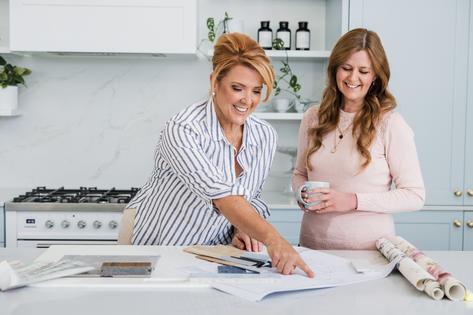
Is Property Styling a Good Career in Australia?
Property styling continues to grow alongside competitive real estate markets.
However, the industry offers flexible pathways rather than a single career outcome.
Stylists may work:
Part-time
Project-based
Within teams
Or as business owners.
Understanding the industry helps individuals decide what role suits them best.
Skills Needed to Become a Property Stylist
Professional stylists combine:
Spatial awareness
Buyer psychology understanding
Colour and lighting knowledge
Communication skills
Planning ability
Objective decision-making.
Structured education often helps transform creative instinct into professional capability.
How People Usually Learn Property Styling
Many stylists historically learned through trial and error.
Today, structured education allows individuals to understand the industry before committing to a pathway.
Learning first allows people to explore opportunities with confidence.
A Structured Way to Learn Property Styling
The International Institute of Home Staging provides professional education designed to help people properly understand property styling before deciding how they wish to apply it.
The Art of Property Styling program follows the IIHS Property Styling Framework:
Understand → Plan → Style → Present → Progress
Common Misconceptions About Property Styling
Styling is just decorating
Professional styling is market strategy.
You must start a business
Many graduates apply skills differently.
The industry is saturated
Opportunities vary widely by region and approach.
Frequently Asked Questions About Property Styling
What qualifications do you need to become a property stylist in Australia?
There is currently no formal licensing or accreditation requirement.
Is property styling the same as interior design?
No. Styling focuses on preparing homes for sale rather than long-term living.
Can property styling be a part-time career?
Yes. Many stylists work flexibly.
Do you need experience before learning property styling?
No prior experience is required.
How do people usually start in property styling?
Many begin through structured education before deciding their pathway.
Exploring Property Styling Further
Interest in property styling often begins with curiosity.
Understanding the industry allows people to make informed decisions about their next step.

Written by Dr Naomi Findlay
Founder — International Institute of Home Staging
Property Styling Educator & Industry Specialist